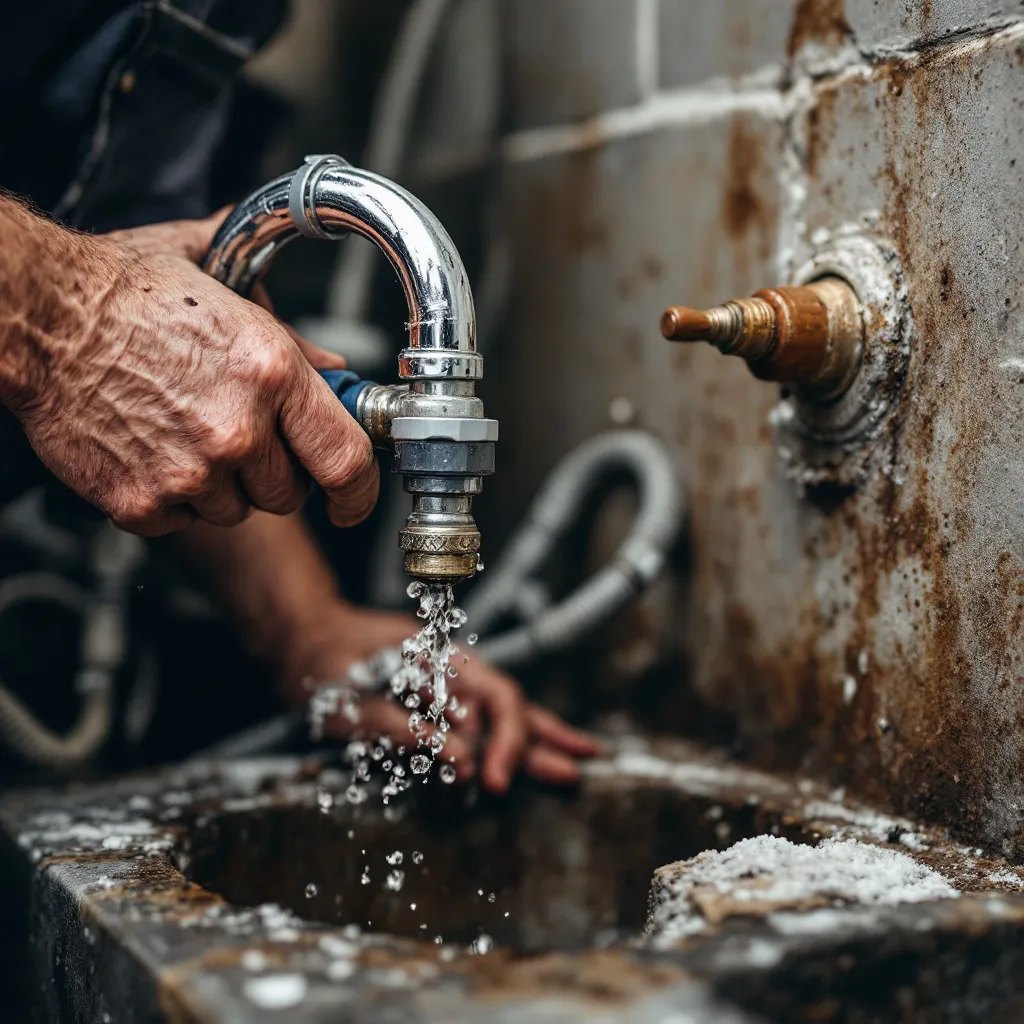
You should call a plumber whenever a plumbing symptom persists, worsens, or involves water where it doesn't belong. A single slow drain can often wait a day or two, but recurring clogs, falling water pressure, unexplained spikes in your water bill, discolored water, musty odors, gurgling pipes, a water heater that leaks or runs out too quickly, and any sign of sewage are all signals worth professional attention. Acting early usually costs far less than repairing the water damage, mold, or structural harm that follows when small problems are left alone in a Knoxville home.
Sometimes it is, and sometimes it is a minor nuisance. The key is whether the drop is sudden or gradual, and whether it affects the whole house or a single fixture. If only one faucet or showerhead is weak, the cause is usually mineral buildup in an aerator or shower head, which can often be cleaned with a soak in vinegar. If every fixture in the home has weaker flow, the problem lies deeper in the system.
Whole-house pressure loss can point to a leak in a supply line, a partially closed main valve, a failing pressure regulator, or corroded galvanized pipes that have narrowed over decades. Many Knoxville neighborhoods have homes built in the mid-twentieth century, and older galvanized or aging copper lines can restrict flow as scale accumulates inside. A sudden drop is more worrying than a slow decline, because it often means a pipe has broken or a utility-side issue has developed.
A simple check can help you decide what to do next. Ask a neighbor whether their pressure has changed, and look at your water meter with every fixture turned off. If the meter keeps moving, water is escaping somewhere. If pressure is low and the meter is still, a regulator or corroded piping is more likely. Either way, persistent whole-house low pressure deserves a plumber's diagnosis rather than repeated guesswork.
Hidden leaks rarely announce themselves with dripping water. Instead, they show up as indirect clues: a water bill that climbs without a change in habits, the sound of running water when everything is off, warm spots on a floor, or paint that bubbles and peels on a wall or ceiling. A musty smell in a closet, cabinet, or crawl space is another common sign, as are stains that slowly spread and darken.
The most reliable home test uses your water meter. Turn off every faucet and appliance, including the ice maker and irrigation system, then note the meter reading or watch the small leak indicator dial. Wait an hour or two without using water and check again. Any movement suggests a leak somewhere between the meter and your fixtures. You can also test a toilet by adding a few drops of food coloring to the tank; if color reaches the bowl without flushing, the flapper is leaking.
Knoxville's clay-heavy soil and seasonal ground movement can stress buried service lines, and slab-foundation homes may develop leaks under the floor that are hard to spot. Professionals can use acoustic listening equipment and pressure testing to locate a leak without tearing out walls or digging up the yard. Finding it early limits damage to flooring, drywall, and framing, and helps prevent mold from taking hold.
A true emergency is any situation where water or waste is causing active damage, creating a health risk, or leaving you without essential service. Burst or rapidly leaking pipes, a flooding water heater, sewage backing up through floor drains or tubs, and a suspected gas-related water heater problem all qualify. If water is spreading and you cannot stop it, treat it as urgent regardless of the hour.
Your first step is to shut off the water. Know where your main shutoff valve is before you need it, typically near the water meter, where the line enters the home, or in a basement or utility room. For a water heater leak, also turn off the power or gas to the unit. If you smell gas, leave the house and call the gas utility from outside. Moving valuables out of the water's path and shutting off electricity to wet areas, if it is safe to do so, can reduce losses.
Other situations are urgent but less dramatic. A single clogged toilet when you have another bathroom can usually wait for a scheduled visit, while a main sewer line blockage cannot, since every drain in the house will eventually back up. No hot water in winter, or frozen pipes during a Knoxville cold snap, also warrant prompt attention because a frozen pipe can split as it thaws and flood a home within minutes.
Occasional slow drains are normal, but patterns matter. If multiple fixtures drain slowly, if a toilet gurgles when the washing machine runs, or if water backs up in a shower when you flush, the issue is likely in the main drain line rather than in a single trap. Persistent sewer odors inside or near the house are another red flag, since they can indicate a cracked line or a dried-out or failing vent connection.
Tree roots are a frequent culprit in older Knoxville neighborhoods with mature trees, particularly where clay or cast-iron sewer lines are still in use. Roots seek out moisture and can enter tiny joints, then grow into dense masses that catch debris. Chemical drain cleaners rarely solve this problem and can damage older pipes, so they are best avoided for recurring blockages.
A camera inspection is the most direct way to see what is happening inside a drain line. It can reveal roots, sagging sections, cracks, or buildup, and it allows a plumber to recommend an appropriate fix, whether that is cleaning, spot repair, or replacement. Lush patches of grass or soft, soggy ground in the yard can also signal a leaking sewer line and should be investigated promptly.
A water heater typically lasts around eight to twelve years, and age is one of the best predictors of failure. Warning signs include rusty or discolored hot water, rumbling or popping noises from sediment buildup, water pooling around the base, and a noticeable decline in hot water capacity. Leaks from the tank itself cannot be repaired and generally mean replacement is near, so replacing the unit on your own schedule is better than waiting for it to fail.
Water quality changes also deserve attention. Brown or orange water that persists beyond a few minutes after turning on the tap may indicate corroding pipes, while metallic tastes, cloudy water, or sudden odors can point to problems in the plumbing or the heater. Brief discoloration after nearby utility work or hydrant flushing is common and usually clears, but if it continues, a plumber can check your lines and fixtures.
Fixtures offer further hints. Green or blue staining around faucets suggests copper corrosion, while white crusty deposits point to hard water. Hammering sounds when a valve closes, often called water hammer, signal pressure surges that can loosen joints over time. Addressing these issues early extends the life of your pipes and appliances and can prevent a minor repair from becoming a major one.
Joe Davis Plumbing is a family-owned, third-generation plumbing business serving Knoxville, Seymour, Sevierville, Maryville, and surrounding For professional help anywhere in Knoxville, visit plumbing in Knoxville.
☎Call (865) 579-0828 Joe Davis Plumbing