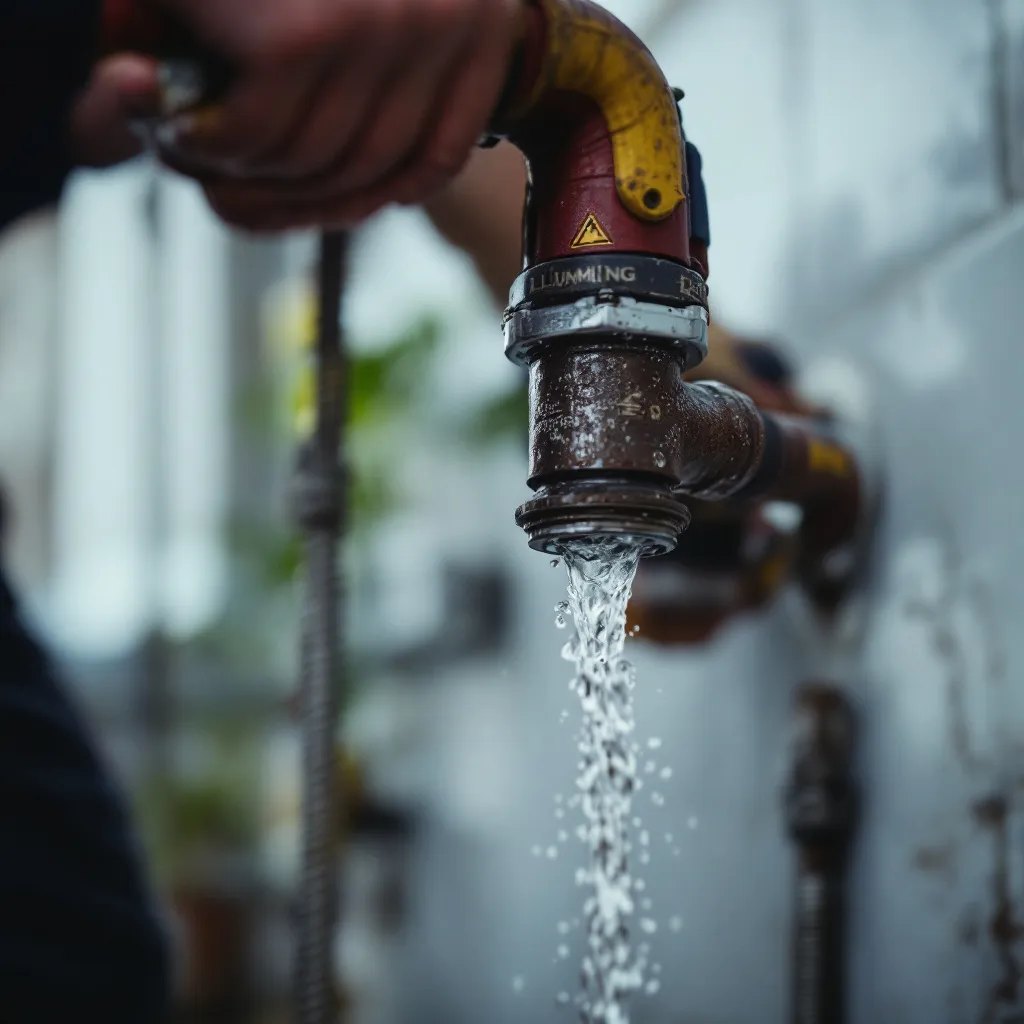
Most water heaters in Knoxville homes last eight to twelve years, and the clearest signs of failure are age, rusty or lukewarm water, rumbling noises, and moisture around the base of the tank. Catching these early lets you plan a replacement on your own schedule rather than react to a flooded utility room. This guide explains how to recognize a failing unit, how to choose between tank and tankless models, what a replacement visit involves, and how to get the most from whichever system you install.
Age is the first thing to check. The manufacturing date is printed on the rating label, usually as a letter for the month followed by two digits for the year, so a label reading C14 indicates March 2014. A conventional tank heater past ten years old is living on borrowed time, even if it still produces hot water. Anode rods wear out, the steel lining weakens, and the likelihood of a leak rises each year.
Water quality offers another clue. If hot water arrives rusty or brownish while the cold water runs clear, the tank is probably corroding from the inside. Metallic-smelling water, or a sulfur odor that appears only on the hot side, can point to a depleted anode rod and bacterial growth. Flushing the tank sometimes helps with sediment, but rust-colored water from an older unit usually means the interior is deteriorating and replacement should be on your radar.
Sounds and temperature changes matter too. Popping, rumbling, or knocking noises typically come from sediment that has hardened on the bottom of the tank, forcing the burner or lower element to work harder and heat water through a layer of mineral buildup. Knoxville's moderately hard water contributes to this over time. You may also notice shorter hot showers, water that never gets as hot as it once did, or a utility bill that creeps upward without explanation. These are signs of declining efficiency, and they often precede outright failure.
Not every problem means a new heater. A tripped breaker, a failed heating element, a faulty thermostat, or a worn thermocouple on a gas unit are all repairable, and the parts are inexpensive relative to a full replacement. If the heater is under about eight years old and the tank itself is sound, a repair is usually sensible. A plumber can test elements and controls in a short visit and tell you where the fault lies.
A leak from the tank body changes the calculation entirely. Water seeping from the seams or pooling beneath the unit means the steel shell has failed, and no repair will fix it. Leaks at the pipe connections, the temperature and pressure relief valve, or the drain valve are different, since those fittings can often be replaced. Look closely at where the water originates before deciding, and shut off the water supply and power or gas if you cannot tell.
A practical rule is to weigh the repair cost against the remaining life of the unit. If a repair would cost a significant share of a new heater and the existing one is near or beyond ten years old, replacement is generally the better investment. A new unit also brings better insulation and efficiency, which can lower operating costs. Ask for a written comparison so you can see both options plainly before committing.
A traditional tank heater stores forty to eighty gallons of heated water and keeps it ready around the clock. It is the lower-cost option to buy and install, it is familiar to every plumber, and it works well in homes where the existing gas line, vent, or electrical circuit is already set up for it. Its drawbacks are standby heat loss, a finite supply of hot water during heavy use, and a shorter lifespan, typically eight to twelve years.
A tankless heater warms water only when you open a tap, so it never runs out as long as demand stays within its flow rating. Units commonly last twenty years or more with proper maintenance, and they free up floor space. The tradeoffs are higher upfront cost and, in many Knoxville homes, additional work: gas tankless models often need a larger gas line and new venting, while electric models may require substantial electrical capacity. Incoming water temperature also affects performance, and our cooler winter groundwater reduces output compared with summer.
Household size and habits should drive the decision. A family of five running laundry, a dishwasher, and multiple showers in the morning may favor a properly sized tankless unit or a large tank. A couple or single occupant with modest usage may find a well-chosen tank heater perfectly adequate and more economical. Hard water is worth considering as well, because tankless units need periodic descaling, usually once a year, to maintain flow and efficiency. A plumber can calculate your peak demand and recommend a size.
A straightforward tank-for-tank swap generally takes two to four hours. The plumber shuts off the water and fuel, drains the old unit, disconnects it, and carries it out. The new heater is then set in place, connected to the water lines, and fitted with new flexible connectors, a fresh relief valve discharge line, and, where required, a drain pan. The tank is filled, air is purged from the lines, and the unit is fired up and tested.
Longer timelines apply when the installation is more involved. Converting from tank to tankless, moving the heater to a new location, upgrading a gas line, or replacing corroded venting can stretch the job to a full day or, occasionally, into a second visit. Permits may be required depending on the scope, and the work should be inspected where local code calls for it. Mention any known obstacles, such as a tight attic or crawl space, when you schedule so the estimate is accurate.
Plan for a short period without hot water, and make the space accessible by clearing the area around the old heater beforehand. Once the job is finished, the plumber should walk you through the temperature setting, the shutoff valves, and the relief valve. Most manufacturers suggest setting the thermostat near 120 degrees Fahrenheit, which balances comfort, safety, and energy use. Keep the paperwork, since warranty claims usually require proof of installation.
Routine maintenance is the most reliable way to gain extra years. Flushing a tank heater once a year removes sediment before it hardens, which protects the heating elements and keeps efficiency steady. Test the temperature and pressure relief valve occasionally by lifting the lever briefly, making sure water discharges and the valve reseats. If it drips afterward or does not flow, have it replaced promptly, because it is a key safety device.
The anode rod deserves attention as well. This sacrificial rod attracts corrosive elements so the tank lining does not, and it is designed to be consumed over time. Inspecting it every three years or so and replacing it when heavily worn can add several years to the tank. In areas with hard water, a water softener or filter can reduce scale on elements and heat exchangers, which benefits both tank and tankless systems.
Finally, pay attention to small changes. A faint drip, a new noise, or a slow drop in hot water capacity is easier and cheaper to address early. Keep the area around the heater free of storage so you can spot moisture, and consider a leak sensor or an inexpensive drain pan if the unit sits above finished living space. A little attention each year keeps the system dependable and helps you replace it on your terms.
Joe Davis Plumbing is a family-owned, third-generation plumbing business serving Knoxville, Seymour, Sevierville, Maryville, and surrounding For professional help anywhere in Knoxville, visit professional plumbing.
☎Call (865) 579-0828 Joe Davis Plumbing