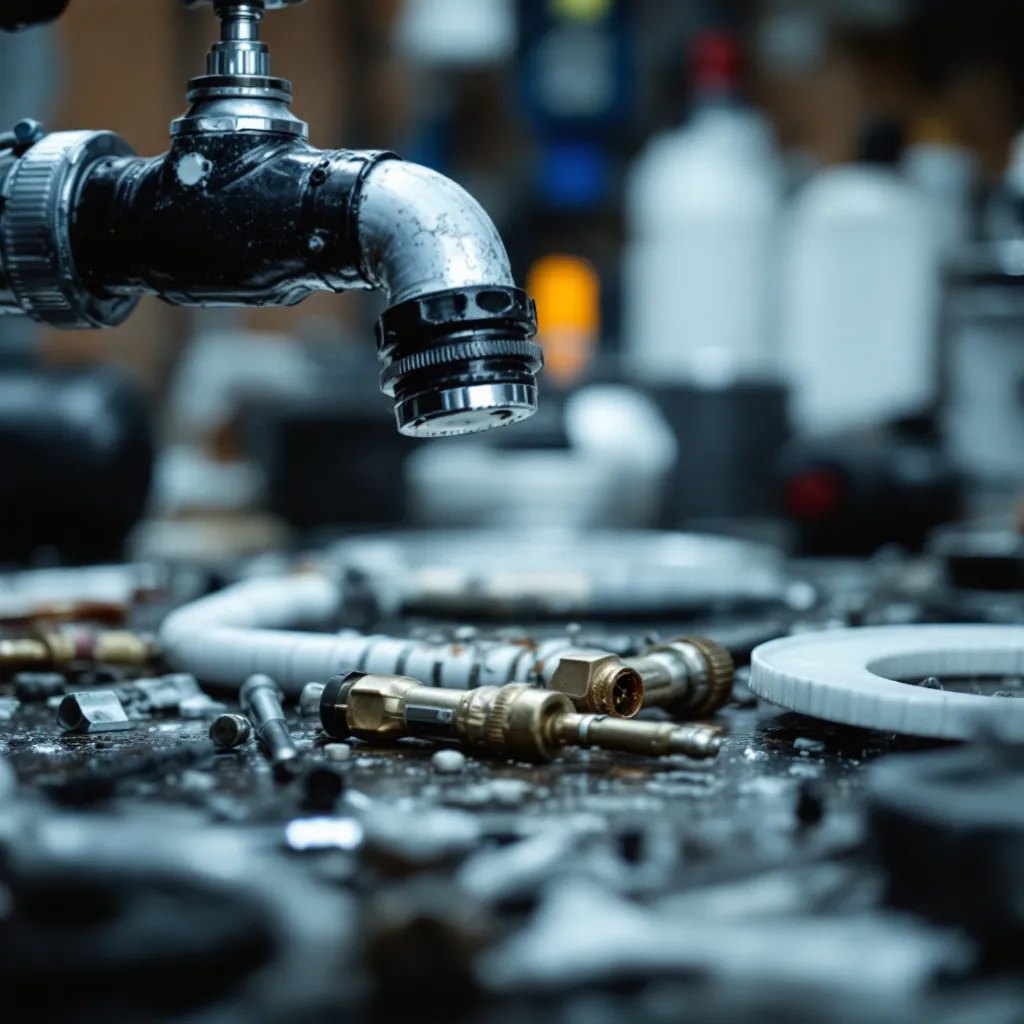
A good seasonal plumbing routine in Knoxville comes down to a few small checks timed to the weather. In spring, inspect outdoor spigots, sump areas, and drain lines after winter. Summer is the time to look for leaks and watch water use. Fall calls for disconnecting hoses, clearing gutters, and servicing the water heater. Winter is about preventing frozen pipes during the region's occasional hard freezes. Spending an hour or two each season catches minor problems early and keeps repair costs, water waste, and emergency calls to a minimum.
Spring is the best moment to see what winter did. Turn outdoor faucets back on slowly and look for drips at the spigot or inside the wall where the pipe enters the house. Run water in every sink, tub, and shower and note any slow drains. Check under sinks and around toilets for moisture, and look at the ceiling below upstairs bathrooms for new stains. If you have a sump pump, pour a bucket of water into the pit to confirm it starts and discharges properly before heavy spring rains arrive.
Summer brings higher water use from lawns, gardens, and guests, so it is a good time to look for hidden leaks. Read your water meter, avoid using water for a couple of hours, and read it again. Any movement suggests a leak. Test shutoff valves under sinks and behind toilets by turning them gently; a valve that is stuck or weeping is better replaced now than during an emergency. Also check hose bibs and irrigation connections, since Knoxville's humid summers and clay-heavy soils can stress buried lines and fittings.
Fall is preparation season. Disconnect garden hoses, drain them, and store them so water does not stay trapped in the spigot. If your home has exterior shutoffs for outdoor lines, close them and open the spigot to drain what remains. Clean gutters and make sure downspouts carry water away from the foundation, since saturated soil can put pressure on drain lines and basements. This is also the right time to schedule water heater service and have any known problem fixtures repaired before the holidays, when households tend to use far more water.
Winter work is mostly protective. Knoxville does not freeze as often as colder regions, which makes homeowners less prepared when it does happen. Insulate exposed pipes in crawl spaces, garages, and exterior walls, and seal gaps where cold air enters. During a hard freeze, open cabinet doors under sinks on exterior walls and let faucets drip slightly. Know where your main shutoff is and confirm that it turns easily. If a pipe does freeze, shutting off the water quickly can limit damage while you wait for help.
Most manufacturers and plumbers recommend flushing a tank-style water heater once a year. Over time, minerals in the water settle at the bottom of the tank as sediment. Knoxville's water is moderately hard in many areas, so buildup can be steady. That layer forces the burner or lower element to work harder, which wastes energy, shortens the life of the tank, and can cause popping or rumbling noises as water bubbles through the sediment. An annual flush removes much of this material before it hardens.
A basic flush involves turning off the power or gas supply, closing the cold water inlet, and attaching a garden hose to the drain valve at the base of the tank. Open a hot water tap elsewhere in the house to let air in, then open the drain valve and let the tank empty into a floor drain or outdoors. Briefly reopen the cold inlet to stir up remaining sediment and flush until the water runs clear. Hot water can cause serious burns, so let the tank cool first.
Some situations call for more attention. If the heater is more than ten years old, the drain valve may be corroded or clogged, and forcing it can cause a leak that is difficult to stop. In that case a plumber can flush it safely and check the valve. Homes with very hard water, or with a heater that has never been flushed, may benefit from a twice-yearly schedule. Tankless units are different: they need descaling, usually annually, using a vinegar or descaling solution circulated through the heat exchanger.
While you are servicing the heater, test the temperature and pressure relief valve by lifting its lever briefly and confirming water flows and then stops. Check the anode rod if you are comfortable doing so; this sacrificial rod protects the tank from rust and is often worth replacing every three to five years. Set the thermostat near 120 degrees Fahrenheit, which reduces scalding risk and energy use. Any signs of rust-colored water, moisture around the base, or a tank that no longer keeps up deserve a professional look.
Leaks are the most common cause of an unexpectedly high bill, and toilets are the most frequent culprit. A running or silently leaking toilet can waste hundreds of gallons a day. To test, add a few drops of food coloring to the tank and wait fifteen minutes without flushing. If color appears in the bowl, the flapper is leaking. Replacing a flapper or fill valve costs little and takes minutes. Dripping faucets matter too, since a drip per second adds up to thousands of gallons over a year.
Fixtures and habits come next. Low-flow showerheads and faucet aerators can reduce water use noticeably without much change in comfort, and they are inexpensive to install. Older toilets from before the mid-1990s may use more than three gallons per flush, while modern models use about 1.28. If your home has an older toilet, replacement can pay back over time. Running dishwashers and washing machines only with full loads, and fixing a slow-closing washer valve, also trims monthly usage.
Outdoor water is often the largest seasonal swing. Check irrigation heads for cracks and misdirected spray, and water lawns early in the morning to limit evaporation. Mulch around plants holds moisture and reduces how often you need to water. A broken underground sprinkler line can run unnoticed for weeks, so look for soggy patches, unusually green strips, or low pressure in a zone. A rain sensor or smart controller can prevent watering during storms, which Knoxville's frequent rainfall makes a real advantage.
Water pressure also plays a role. Pressure above about 80 psi strains pipes, fixtures, and appliance connections and increases flow from every tap. An inexpensive gauge that screws onto a hose bib will show your pressure. If it runs high, a pressure-reducing valve near the main can protect the system and cut usage. Finally, keep a habit of reading your meter monthly. Catching a sudden change early lets you find the cause before it becomes a costly bill or a damaged floor.
Drains give early warning when they are struggling. Slow sinks, gurgling sounds, or recurring odors usually point to buildup in the line. Avoid pouring grease down kitchen drains, and use strainers in showers and tubs to catch hair. Flushing with hot water after dishes helps move residue along. Chemical drain cleaners are best avoided because they can damage older pipes and are hard on the environment. A plumber's camera inspection can show whether the problem is simple buildup or something more serious.
Older Knoxville neighborhoods often have mature trees whose roots can enter sewer lines through small cracks or joints. Signs include repeated backups, slow drains throughout the house, or wet spots in the yard. If you see these, have the main line inspected rather than repeatedly clearing it. Catching root intrusion early may allow cleaning or spot repair instead of a larger excavation. Knowing your pipe material, whether cast iron, clay, or PVC, also helps predict where problems are likely to appear.
Garbage disposals and appliance hoses are easy to forget. Run cold water while using the disposal and avoid fibrous scraps, bones, and starchy foods that clump. Replace rubber washing machine hoses every five years or so, or switch to braided stainless steel versions, which resist bursting. Check the dishwasher supply line and refrigerator ice maker connection for dampness. These small parts fail suddenly and can release a lot of water, so a quick look each season is inexpensive insurance.
Many seasonal tasks are well within reach for a careful homeowner, including testing toilets, cleaning aerators, draining hoses, and flushing a water heater. The line is usually drawn where risk or complexity increases. Gas connections, main water line work, sewer problems, and anything involving permits are best left to licensed professionals. If a task requires cutting into pipe, relocating fixtures, or working near gas or electrical supplies, the cost of a mistake generally outweighs the savings of doing it yourself.
Certain warning signs also justify a prompt call. Discolored water, a sudden drop in pressure, a sulfur smell from the water heater, persistent dampness in walls or floors, or a meter that keeps moving when everything is off all suggest problems that rarely resolve on their own. Water stains that spread, musty odors, or warped flooring may indicate a slow leak behind surfaces. Acting early typically means smaller repairs and less damage to drywall, cabinets, and flooring.
Scheduling a professional inspection once a year can complement your own checks. A plumber can assess water pressure, test shutoff valves, evaluate the water heater's condition, and spot corrosion or aging pipes you might miss. Fall is often a practical time, before winter and holiday demands. Keep a simple log of what you check and when, along with dates of repairs and replacements. That record helps you plan ahead and gives any plumber a clearer picture of your home's history.
Joe Davis Plumbing is a family-owned, third-generation plumbing business serving Knoxville, Seymour, Sevierville, Maryville, and surrounding For professional help anywhere in Knoxville, visit professional plumbing.
☎Call (865) 579-0828 Joe Davis Plumbing