Whether to repair or replace aging plumbing depends on three things: the pipe material, how often it has failed, and where the failures are happening. A single leak in otherwise sound copper is usually a simple repair. Repeated leaks, discolored water, or a material with a known history of failure, such as galvanized steel or polybutylene, usually point toward replacement. In Knoxville, where many homes date from the 1950s through the 1980s, the question comes up often. This guide explains lifespans, costs, and the insurance and resale factors worth weighing before you decide.
Lifespan depends heavily on material and water conditions. Galvanized steel, common in homes built before the 1960s, typically lasts 40 to 60 years, though corrosion on the inside often restricts flow well before the pipe leaks. Copper commonly lasts 50 years or more, and many original copper systems from the 1970s and 1980s are still sound. Cast iron drain lines generally serve 50 to 75 years before they crack, scale, or rot from the inside out.
Newer plastics have shorter track records but generally good ones. PEX is expected to last several decades, and PVC and CPVC used for drains and some supply lines can last 50 years or longer when shielded from sunlight and physical damage. Polybutylene, a gray plastic installed widely from the late 1970s to the mid-1990s, is the exception. It tends to degrade from the inside because of chlorine in municipal water, and it is considered a replacement candidate regardless of age.
Age is only part of the picture. Water chemistry, water pressure, and installation quality all change how fast pipes wear. Knoxville's water is considered moderately hard to soft depending on the source and service area, and it is treated with disinfectants that can slowly affect certain materials. High household pressure, often above 80 psi, accelerates wear on joints, fixtures, and supply lines. A pressure gauge on an outdoor spigot costs very little and tells you whether your system is under unnecessary stress.
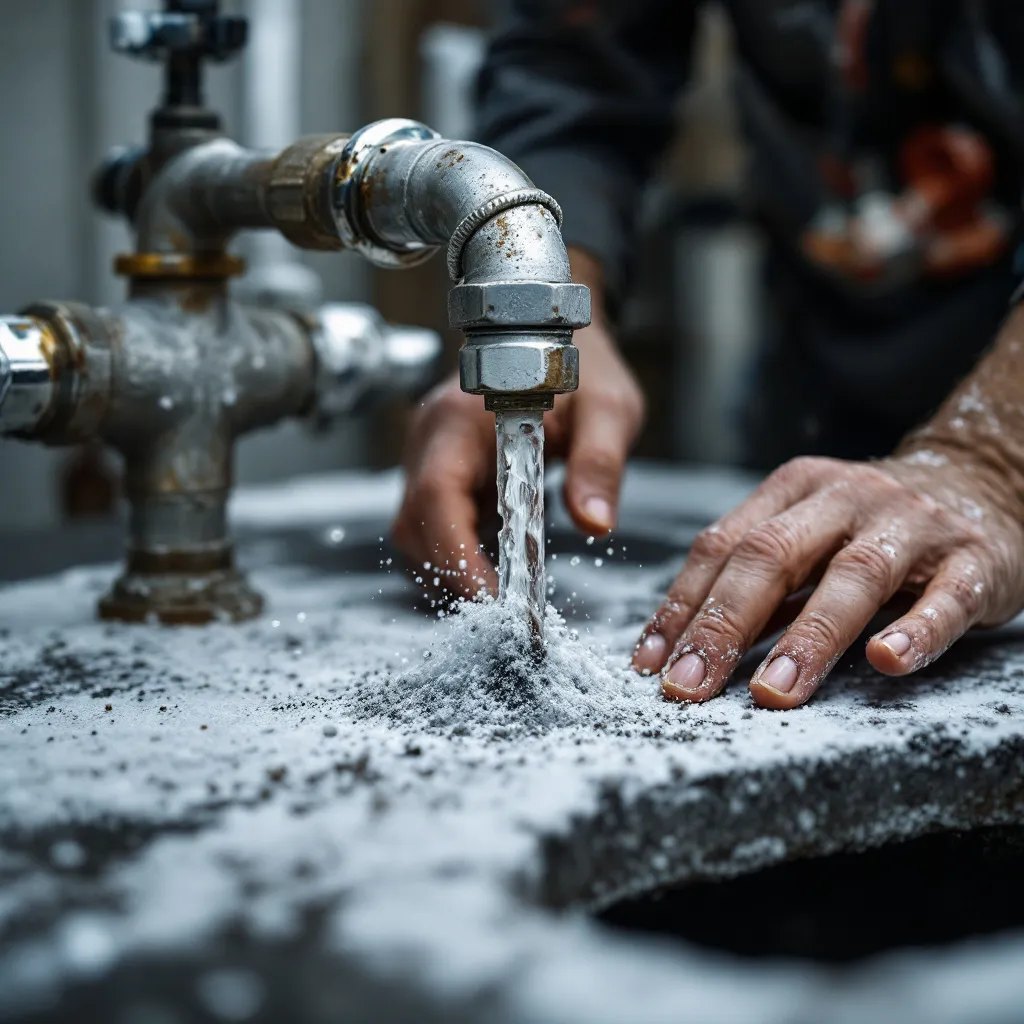
Look for practical warning signs rather than relying on a calendar. Water that runs brown or orange after sitting overnight suggests corrosion in steel pipes. Declining pressure at multiple fixtures points to internal buildup. Green or white crust at copper joints, pinhole leaks, and recurring slow drains in older cast iron all suggest the system is nearing the end of its useful life, even if it still works today.
An isolated failure is usually worth repairing. A leaking fitting, a failed shutoff valve, a single corroded section, or damage from a nail or freeze are all localized problems. If the surrounding pipe looks clean, is the right material, and is within its expected lifespan, a repair costing a few hundred dollars is almost always the sensible choice. Replacing an entire system over one isolated failure rarely makes financial sense.
Patterns change the math. If a plumber has repaired three leaks in two years, the next one is likely close behind, because pipes tend to fail in clusters once the wall thickness has thinned across a whole run. Pinhole leaks in copper are a common example. They often indicate that the pipe is being attacked from within, and fixing one pinhole does not stop the cause. The same applies to galvanized lines that have narrowed enough to choke water flow.
Ask your plumber to show you the failed section and the pipe on either side of it. If the cut end reveals thick scale, heavy pitting, or a wall that crumbles, the problem is probably systemic. A camera inspection of drain lines is also valuable, since it shows cracks, root intrusion, and sagging sections without opening walls or digging. Knoxville's mature trees, especially in older neighborhoods, make root intrusion into clay and cast iron sewer lines a regular finding.
Finally, consider access. A repair in an open basement or crawl space is cheap, while the same repair behind finished tile or under a slab can cost several times more. If you are already opening a wall for another reason, such as a bathroom remodel, that is often the most economical moment to replace aging lines in that area rather than closing it up and revisiting the problem later.
Repiping becomes the better value when cumulative repair costs and damage approach a meaningful share of the replacement price. A whole-house repipe for a typical Knoxville home often falls in the range of several thousand to well over ten thousand dollars, depending on size, number of bathrooms, material, and how accessible the walls and crawl space are. If you are spending several hundred dollars every year or two on leaks, plus paying for drywall and flooring repair, the break-even point arrives sooner than many owners expect.
Water damage is the hidden cost. A slow leak inside a wall can ruin insulation, promote mold, and rot framing before any stain appears. One significant failure can cost more in remediation than the plumbing repair itself. When pipes are known to be failing in a pattern, replacing them removes that open-ended risk, which is often the strongest argument for repiping beyond the plumbing bill alone.
Partial replacement is a useful middle path. Rather than repiping everything, a plumber may replace only the worst section, such as the lines serving a bathroom group, the main supply from the meter, or a failing stretch of drain beneath the slab. Modern techniques also help. PEX can be threaded through walls with relatively small access openings, and trenchless methods such as pipe lining or bursting can renew sewer lines with far less yard excavation.
Get a written estimate that separates materials, labor, permits, and wall repair, and ask for a second opinion on any major recommendation. A reputable plumber should be able to explain why replacement is justified and what the expected lifespan of the new system will be. Also ask about the warranty on both materials and workmanship, since a repipe is a long-term investment and the terms matter.
Insurers pay close attention to plumbing because water damage is among the most common homeowner claims. Some carriers will decline or surcharge coverage on homes with polybutylene, galvanized supply lines, or original cast iron drains, and others may require proof of updates. Policies can also limit coverage for damage caused by long-term seepage or lack of maintenance. Call your agent and ask directly what they require, since underwriting rules vary by company and change over time.
For buyers and sellers, plumbing shows up quickly in inspections. A home inspector will flag visible galvanized or polybutylene piping, low pressure, active leaks, and slow drains, and a buyer may use those findings to request repairs, credits, or a lower price. Lenders and insurers sometimes get involved as well. A documented repipe, with permits and a transferable warranty, can remove a common negotiating point and make a listing easier to close.
Updated plumbing rarely earns a dollar-for-dollar return the way a renovated kitchen might, but it protects value by preventing price reductions and failed deals. In Knoxville's older neighborhoods, where charm and age often attract buyers, a clear record of modern supply lines and a scoped sewer line can reassure people who worry about hidden costs behind the walls.
Start with information. Have a licensed plumber inspect exposed piping, test water pressure, and run a camera through the main drain if there is any history of backups. Note the pipe material, the age of the home, and every past leak. That gives you a factual basis to compare options rather than reacting to the latest emergency. Many problems are cheaper to address on your own schedule than during a burst-pipe weekend.
Then weigh the choices against your plans. If you intend to stay for many years, replacing a failing system sooner tends to pay off through fewer disruptions and lower damage risk. If you plan to sell soon, targeted repairs paired with an inspection report may suffice, unless the material itself is a known problem. Whatever you choose, confirm that permits are pulled through the local codes office, since unpermitted work can complicate insurance claims and future sales.
Finally, protect whatever system you keep. Install a pressure regulator if pressure runs high, know where your main shutoff is, insulate exposed lines before Knoxville's occasional hard freezes, and consider a leak detector or automatic shutoff valve. These steps cost little compared with a flooded home and can extend the life of aging plumbing while you plan for its eventual replacement.
Joe Davis Plumbing is a family-owned, third-generation plumbing business serving Knoxville, Seymour, Sevierville, Maryville, and surrounding For professional help anywhere in Knoxville, visit plumbing.
☎Call (865) 579-0828 Joe Davis Plumbing