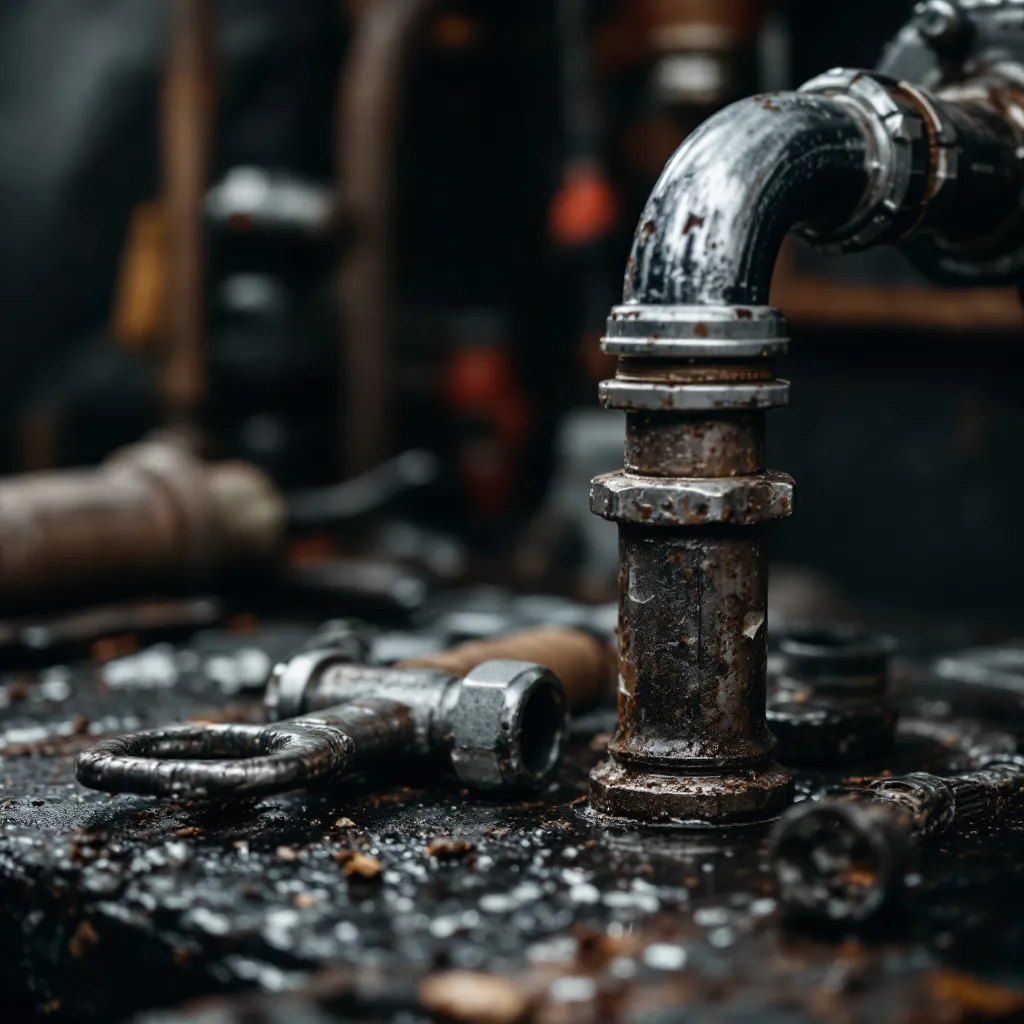
The best way to protect your pipes from freezing in East Tennessee is to prepare before the first hard freeze: insulate exposed lines, seal drafts around crawl spaces and foundation vents, disconnect outdoor hoses, and know where your main shutoff valve is. Knoxville winters are milder than much of the country, which is exactly why many homes are caught off guard. Pipes here are often poorly insulated, and a handful of nights in the low teens can burst a line. A little planning costs far less than a flooded home.
Water freezes at 32 degrees Fahrenheit, but pipes inside a home rarely freeze the moment the air outside touches that mark. The usual rule of thumb is that trouble begins when outdoor temperatures fall to about 20 degrees or lower for several hours, especially when the cold is paired with wind. In Knoxville, where a typical winter includes only a few such nights, the risk is real but easy to underestimate.
Location matters more than the number on the thermometer. Pipes in exterior walls, unheated crawl spaces, attics, garages, and along north-facing foundations lose heat quickly. Many Knoxville houses built in the mid-twentieth century sit over vented crawl spaces, where the supply lines hang beneath the floor with little protection from moving air. A line there can freeze at temperatures that would leave an interior pipe untouched.
Duration is the other factor. A single night dipping to 25 degrees after a warm day usually does little, because the ground and house structure hold heat. Several consecutive days of hard cold, like the deep freezes that occasionally sweep through the Tennessee Valley, allow that stored warmth to drain away. Watch the forecast for multi-day stretches below the low twenties, and treat single-digit lows as an emergency-level event for any vulnerable plumbing.
Start under the house. If your home has a crawl space, check the vents, the access door, and any gaps where plumbing, cable, or wiring passes through the floor or rim joist. Cold air entering through these openings flows directly across water lines. Closing foundation vents in winter, repairing broken vent screens, and making sure the access door fits snugly can raise the temperature around pipes noticeably.
Next, look at kitchen and bathroom sinks on exterior walls, laundry connections, and water lines serving a bathroom over a garage. These spots often have little insulation behind them. Outdoor spigots are another common failure point, particularly the standard threaded type with a hose left attached. Trapped water expands inside the faucet and can split the pipe behind the wall, where the damage stays hidden until the spring thaw.
Finally, check unconditioned spaces such as attics, utility rooms, and detached garages or workshops with sinks. Pipes in these areas depend entirely on the heat that leaks into them. Note where each line runs, and make sure you can reach the main shutoff, typically near the water meter or where the line enters the house. Knowing this location in advance saves critical minutes if a pipe does burst.
Begin with the outdoors. Disconnect garden hoses, drain them, and store them. If your home has frost-free sillcocks, removing the hose is enough; for older standard spigots, a foam insulating cover is inexpensive and worthwhile, and your plumber can shut off and drain an interior valve if one exists. Do this in autumn rather than on the night the temperature plunges.
Then insulate. Foam pipe sleeves, sold at any hardware store in Knoxville, slip over exposed copper or PEX lines and cost little. Pay special attention to joints and bends, where cold concentrates. In crawl spaces, insulating the underside of the floor and sealing the rim joist helps keep the whole system warmer. For short-term protection, heat tape or thermostatically controlled heat cable can be applied, but follow the manufacturer's directions exactly, since misuse creates a fire hazard.
Inside the house, open cabinet doors beneath sinks on exterior walls so room air can reach the pipes. Keep the thermostat at a steady temperature day and night, ideally no lower than 55 degrees, even if you travel. Seal visible drafts around pipe penetrations with caulk or expanding foam. If you will be gone for several days, consider asking a neighbor to check the house or having your plumber show you how to shut off and drain the system.
Yes, in most cases a small drip is a sound precaution. Moving water is harder to freeze, and more importantly, a dripping faucet relieves pressure. When a pipe freezes, it is usually the pressure building between the ice blockage and a closed faucet that causes the rupture, not the ice itself. An open path for water to escape greatly reduces that risk.
Focus on the faucets served by the most exposed pipes, often those on exterior walls or at the far end of the house from the water heater. Open both hot and cold taps to a slow, steady trickle, roughly the width of a pencil lead. Running water through a line that is already in a cold crawl space does more good than running a bathroom upstairs that sits above heated rooms.
The cost is modest. A single dripping faucet over a night or two typically adds only a small amount to a water bill, far less than repairing a burst pipe. If your home uses a septic system, keep the flow minimal to avoid overloading it. Dripping is a backup, not a replacement for insulation and sealing, and it will not save a pipe that is badly exposed to sustained, severe cold.
The first sign is usually a faucet that produces only a trickle or nothing at all. Leave that faucet open, then locate the frozen section, which is often frosty or noticeably cold to the touch along an exterior wall or in the crawl space. Open the tap so melting water and steam can escape as the ice clears. Check the rest of the house, since one frozen line often means others are close behind.
Apply gentle heat, starting at the faucet end and working toward the blockage. A hair dryer, a heating pad wrapped around the pipe, or towels soaked in hot water all work well. Never use an open flame, propane torch, or kerosene heater. These can ignite framing and insulation, and they can overheat the pipe, damaging joints or causing steam pressure to build. Keep any electrical device away from standing water.
Know when to stop and call a professional. If you cannot reach the frozen section, if you see a crack or bulge, or if water begins spraying or seeping, close the main shutoff valve immediately and contact a licensed plumber. A pipe that has thawed may still hide a split that only shows once pressure returns. Having a plumber inspect it prevents a second, more damaging failure later.
Act quickly and calmly. Shut off the main water supply right away, then open the lowest faucets in the house to drain remaining water. If water has reached outlets, light fixtures, or the electrical panel, switch off power at the breaker only if you can do so safely from a dry spot; otherwise, call your utility or an electrician.
Limit the damage while you wait. Move furniture and belongings away from wet areas, mop up standing water, and run fans or dehumidifiers to discourage mold, which can begin to develop within a day or two. Take photographs and brief video of the damage before cleanup, since your homeowner's insurer will want documentation. Keep receipts for emergency repairs and drying equipment.
Once the water is off, a licensed plumber can locate the break, repair or replace the damaged section, and check connected lines for stress. In some Knoxville homes, repeated freezing points to a deeper issue such as an unprotected run, and rerouting or insulating that line permanently is wiser than patching it each winter. Taking that step after one incident often prevents the next one.
Joe Davis Plumbing is a family-owned, third-generation plumbing business serving Knoxville, Seymour, Sevierville, Maryville, and surrounding For professional help anywhere in Knoxville, visit plumbing services.
☎Call (865) 579-0828 Joe Davis Plumbing