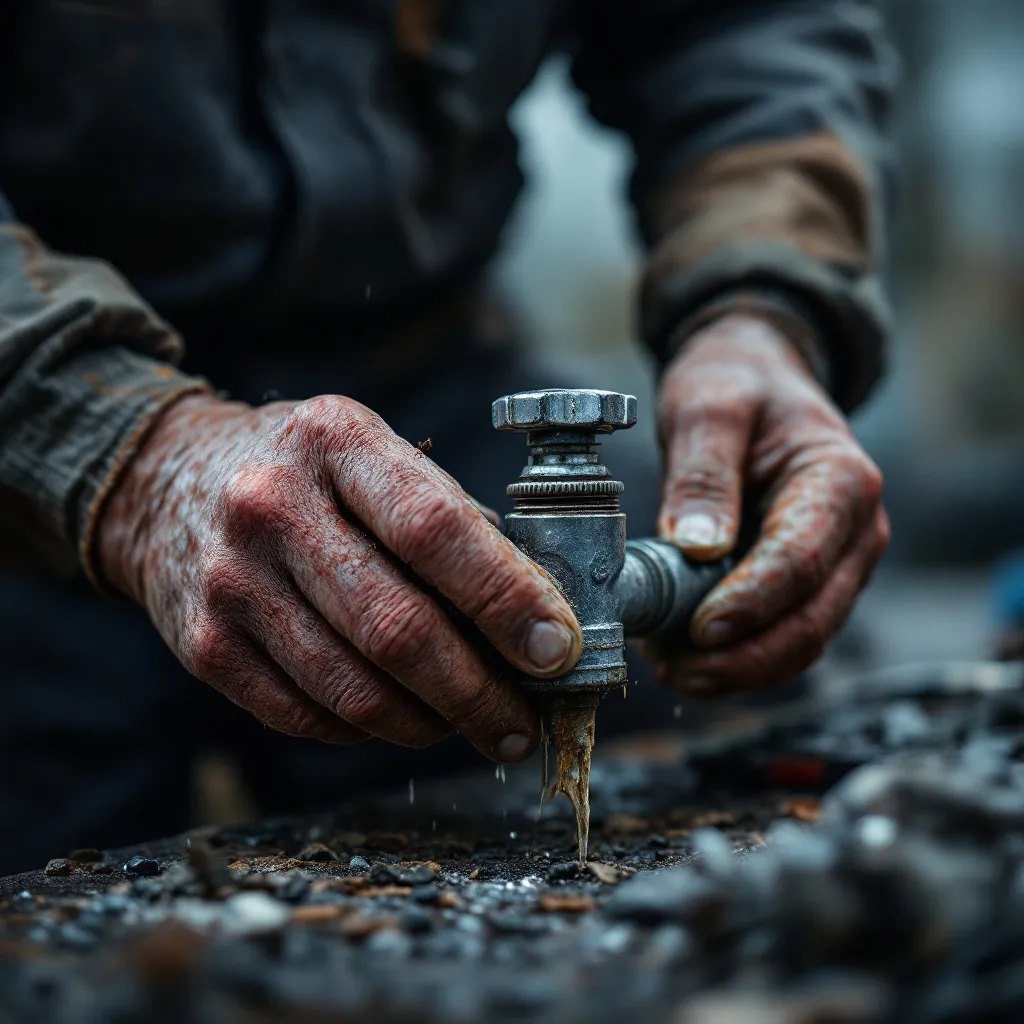
The plumbing mistakes that cost Knoxville homeowners the most are rarely dramatic. They are small decisions that compound: overtightening a fitting, ignoring a slow drip, treating a clog with harsh chemicals, or flushing items that never belonged in a drain. Each can turn a modest repair into water damage, mold remediation, or a partial repipe. Knoxville's clay-heavy soil, mature tree roots, older housing stock, and occasional hard freezes add local pressure. Understanding where the common errors occur, and how they affect warranties and insurance, helps you decide what to handle yourself and when to call a licensed professional.
The most frequent error is overtightening. Homeowners assume a leaking connection needs more force, then crack a plastic nut, strip threads, or crush a compression ferrule. A supply line that might have needed a quarter turn now needs replacement, and sometimes the shutoff valve behind it fails too. Hand-tight plus a modest turn with a wrench is usually correct, and the right sealing material matters more than muscle.
A second common mistake is mixing incompatible materials. Connecting copper directly to galvanized steel invites galvanic corrosion, and many older Knoxville homes contain exactly that combination. Without a dielectric union or proper transition fitting, the joint can corrode and leak within a few years. Similarly, using the wrong thread tape or pipe dope, or relying on silicone caulk to seal a pressurized joint, creates failures that may not appear until the wall is closed up.
Third, many people install fixtures without addressing venting or slope. A drain that pitches too steeply or too little will clog repeatedly, and a missing or undersized vent causes gurgling, slow drainage, and sewer odors. These problems often look like a clog, so owners keep snaking the line instead of fixing the layout.
Finally, water heater work causes expensive trouble. Skipping the temperature and pressure relief valve, installing it with the wrong discharge pipe, or ignoring expansion tank requirements on a closed system creates genuine safety risk. Gas connections and flue venting are especially unforgiving, and errors there can lead to carbon monoxide exposure rather than just a repair bill.
Yes, in several ways. Manufacturers of water heaters, faucets, and fixtures typically require installation according to their instructions and local code. Many water heater warranties specify that a licensed professional must perform the installation, and a failure traced to incorrect venting, missing relief valves, or improper sediment management may be denied. Keep receipts, model and serial numbers, and installation records so you can document compliance if a claim arises.
Homeowners insurance is more nuanced. Policies generally cover sudden and accidental water damage, such as a burst supply line. They commonly exclude damage from gradual leaks, poor maintenance, or faulty workmanship. If an adjuster finds that a slow leak from a DIY fitting went on for months, the claim may be reduced or denied. Some insurers also look at whether repairs were made by a qualified person, particularly after a large loss.
Permits matter too. In the Knoxville area, work such as replacing a water heater, altering gas lines, or modifying drain and vent systems often requires a permit and inspection through the local codes office. Unpermitted work can complicate an insurance claim, raise questions during a home sale, and force you to open finished walls for inspection later.
The practical approach is simple. Before any repair, read your warranty terms and your policy's exclusions, and call your insurer or agent if unsure. For anything involving gas, water heaters, main shutoffs, or concealed piping, hire a licensed plumber and keep the invoice. That paperwork is often the difference between a covered loss and an out-of-pocket one.
Despite the labels, so-called flushable wipes do not break down like toilet paper. They tangle with roots, grease, and rough pipe surfaces, forming blockages in both household lines and municipal sewers. Paper towels, cotton swabs, dental floss, feminine products, and diapers behave the same way. The only safe items for a toilet are human waste and toilet paper. A wastebasket beside the toilet is inexpensive insurance against a sewer backup.
Kitchen drains need equal care. Cooking grease, oil, and fat cool and solidify inside pipes, narrowing them until water backs up. Pouring hot water or dish soap behind them only moves the problem downstream. Let grease cool, then pour it into a can and discard it with household trash. Coffee grounds, eggshells, pasta, rice, and fibrous vegetable scraps also accumulate, and they can overwhelm a garbage disposal even when the motor seems strong.
Chemical drain cleaners deserve caution. Caustic products can generate heat that softens PVC joints, damage old metal pipe, and harm a septic system if you have one. They also leave dangerous standing water for the next person who opens the trap. A hand auger or a professional camera inspection finds the actual cause without risking the pipe.
Finally, avoid pouring paint, solvents, motor oil, and medications down any drain. Hamilton and Knox County residents can use household hazardous waste collection options rather than sending these substances into the wastewater system. Following this simple rule protects your plumbing and the region's water quality.
East Tennessee winters are mild on average, which lulls homeowners into skipping freeze precautions. When a sharp cold snap arrives, exposed pipes in crawl spaces, garages, and exterior walls can freeze and split. The damage is often invisible until the thaw. Insulating exposed lines, disconnecting garden hoses, sealing crawl space vents, and knowing where your main shutoff is located cost little compared with a flooded floor system.
Soil and vegetation play a role underground. Knoxville's clay-rich ground shifts with moisture, and older clay, cast iron, or Orangeburg sewer lines can crack or separate. Mature trees then send roots into those joints. Owners who repeatedly use chemical cleaners on a slow main line may be treating a structural problem. A camera inspection can identify bellies, offsets, and root intrusion before a full excavation becomes necessary.
Water pressure is another local concern. Hilly neighborhoods can see high pressure at lower elevations, which strains supply lines, fixtures, and water heaters. Without a pressure-reducing valve or a gauge test, small leaks and premature failures become routine. Pressure above roughly 80 psi is generally considered excessive, and a simple hose-bib gauge will tell you where you stand.
A useful rule is to separate maintenance from modification. Replacing a faucet cartridge, cleaning an aerator, resetting a disposal, or changing a toilet flapper are reasonable DIY tasks. Altering pipe routes, moving fixtures, replacing a water heater, working on gas lines, or addressing recurring sewer backups are different. These jobs involve code, permits, and consequences that extend beyond the immediate repair.
Warning signs should also prompt a call. Unexplained increases in your water bill, damp drywall, musty odors, discolored water, low pressure throughout the house, or multiple slow drains at once suggest problems in concealed or shared lines. Waiting rarely makes these cheaper. A small leak inside a wall can feed mold and rot for months before it appears on the surface.
Finally, consider the full cost of a failed repair. A professional visit might feel expensive, but it typically includes correct materials, code-compliant work, a workmanship warranty, and documentation useful to insurers and future buyers. Compared with removing flooring, drying out a structure, and redoing the original repair, the upfront expense is usually the smaller number.
Joe Davis Plumbing is a family-owned, third-generation plumbing business serving Knoxville, Seymour, Sevierville, Maryville, and surrounding For professional help anywhere in Knoxville, visit expert plumbing in Knoxville.
☎Call (865) 579-0828 Joe Davis Plumbing